Casino Game Art 2026 – How to Create Stunning Visual Design
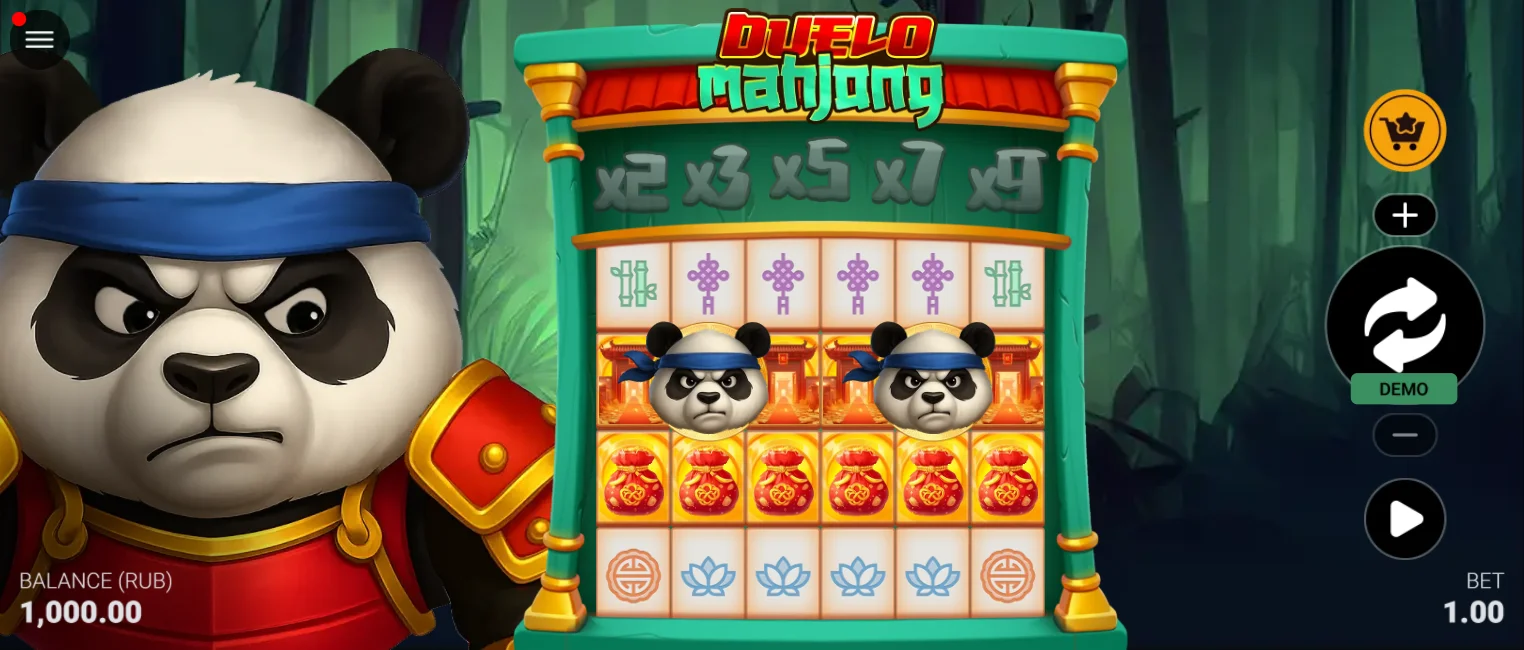
The casino game that does not get clicked does not get played. That sentence sounds obvious until you consider how many development budgets prioritize mechanics, mathematics, and platform integration while treating the visual layer as the phase that happens at the end, after the real decisions are made. In 2026, that prioritization is measurably wrong — and the operators who have corrected it are building the most commercially durable products in the market.
Casino game art is not decoration applied to a functional product. It is the primary interface between the game and the player — the first thing evaluated, the thing experienced for every second of every session, and the thing that determines whether the emotional memory of a play session is positive enough to bring the player back. The quality, distinctiveness, and coherence of a casino game's visual identity is one of the few remaining meaningful differentiators in a market where mechanics are increasingly similar, bonuses are universally available, and the lobby thumbnail is the entire decision-making context for millions of player choices every day.
Choosing the right creative approach and the right production partners for casino game art is consequently among the highest-leverage decisions in iGaming product development. This article covers everything that decision requires: where the discipline is heading in 2026, what visual approaches are attracting and retaining players, what the hyped styles look like right now, and what the different types of casino game art actually involve at a production level.
What Casino Game Art Actually Is
Term: Casino Game Art The complete visual production discipline encompassing all graphical assets created for casino games across all formats — slot games, crash games, table game interfaces, live casino environments, card games, and hybrid formats — including concept art and visual direction that establishes the game's thematic identity; character design and animation that gives the game a visual personality; symbol and icon design where distinctiveness and mechanical legibility must coexist at small display sizes; environment and background art that creates the spatial world the game inhabits;
UI and HUD design that presents game information with maximum clarity; promotional and marketing art that earns lobby and app store attention; motion design and visual effects that give the experience tactile quality; and localization art adaptation for culturally specific markets.
Distinguished from general game art by the specific commercial context of iGaming: the regulatory display requirements, the visual conventions that signal trust and premium quality to experienced casino players, the first-impression demands of lobby and thumbnail environments, and the requirement to sustain visual engagement across sessions of hundreds or thousands of repeated interactions.
The definition points toward the breadth and specificity of what casino game art production actually involves. It is not a single discipline but a system of related disciplines, each with its own technical requirements and aesthetic conventions, that must function together as a coherent visual whole. A game with excellent character design and mediocre symbol work is a game with an inconsistency that players will feel even if they cannot name it. A game with beautiful environment art and a functional-but-graceless UI is a game where the premium impression created by the art is undermined every time a player interacts with the interface.
Casino Game Art Then and Now: The Before and After That Explains Everything
Understanding where casino game art is going in 2026 requires understanding how far it has already traveled, because the distance between the visual conventions of the iGaming industry ten years ago and the standards of the premium tier today is larger than most people outside the production space appreciate.
Then — 2014 to 2018: The dominant visual register of online casino games in this period was what might be called functional spectacle: bright colors chosen for attention-getting rather than aesthetic coherence, symbol sets produced to a competent but generic standard, character designs that communicated theme without communicating personality, background environments that existed to fill space rather than to create place. The production model was efficient asset generation rather than creative development — studios produced large volumes of technically adequate work to established category conventions, and differentiation was pursued primarily through theme novelty rather than visual quality.
UI design in this period was purely functional. Information was organized according to logical hierarchies without meaningful consideration of the emotional context in which players would encounter it. The interface was a vehicle for game mechanics, not a component of the game experience.
Promotional art — lobby banners, app store screenshots, game tiles — was treated as a secondary production output, created from game assets rather than designed as a distinct creative category with its own visual requirements.
Now — 2024 to 2026: The premium tier of casino game art production is producing work that competes with AAA console game art in technical quality and surpasses it in some areas of commercial specificity. Character designs have genuine personality depth, behavioral animation vocabulary, and the brand asset functionality of characters in major entertainment franchises. Environment art creates spatial worlds with material specificity, atmospheric depth, and environmental storytelling that rewards close attention. Symbol sets are designed as visual systems rather than individual assets, with internal relationships of proportion, complexity, and visual weight that communicate pay table logic intuitively.
UI design is treated as a primary creative discipline rather than an engineering output. The interface communicates the emotional register of the game, reinforces the visual identity established by the art, and creates the specific tactile quality that makes extended sessions feel comfortable rather than fatiguing.
Promotional art is developed as a distinct creative category, with compositions designed specifically for the thumbnail sizes and visual competition contexts of lobby and app store environments, rather than being cropped from gameplay screenshots.
The production model has shifted from efficient asset generation to creative partnership — the best outsourcing services in the current market contribute to visual strategy alongside executing production, and the clients who treat them as creative partners rather than production vendors consistently outperform those who do not.
Sidenote The shift from functional spectacle to genuine creative ambition in casino game art production was driven by a convergence of three forces: the maturation of the player demographic, which brought higher visual literacy and more discriminating aesthetic preferences; the expansion of the competitive landscape, which made generic visual competence commercially insufficient; and the improvement of production tools, which made premium visual quality achievable at timelines and budgets that were previously available only to the largest studios. All three forces continue to operate in the same direction, which means the quality ceiling continues to rise.
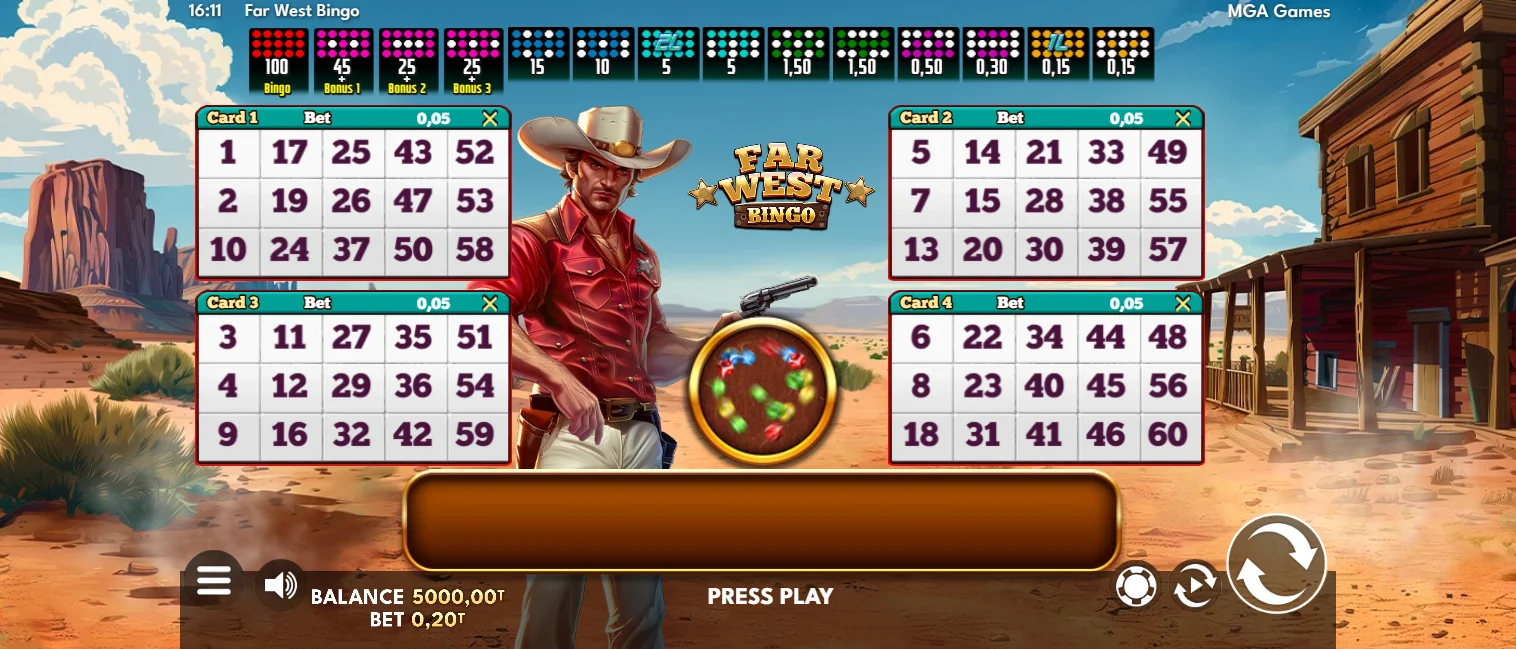
Where Casino Game Art Is Heading in 2026 and How to Stay Relevant
The trajectory of casino game art in 2026 is shaped by forces that are legible in the production decisions of the most commercially successful studios and operators, and understanding them is what separates creative strategies that will compound in value from those that are already eroding.
The narrative density trend is the most consequential creative development currently reshaping premium casino game art. Games that tell a story through their visual design — that create worlds with implied histories, characters with behavioral logic, environments that communicate more information about their setting than the immediate gameplay requires — are generating engagement levels that purely thematic games cannot approach. The visual work required to achieve narrative density is more extensive than conventional casino game art production: character backstories need visual expression through environmental details, the environment needs to communicate history through material wear and contextual objects, and the progression through the game's features needs to feel like movement through a narrative space rather than escalation through mechanical tiers.
The tactile quality revolution is changing what premium casino game art feels like to interact with. This trend encompasses micro-animations that make every interface interaction physically satisfying, sound design integrated with visual design from the earliest production stages, material treatment that gives surfaces physical credibility, and win celebration animations that have genuine weight and momentum. The cumulative effect is a game that feels noticeably different to use than one where these elements were treated as secondary — and players feel this difference in ways that translate directly into session length and return frequency.
The cultural specificity requirement is becoming a commercial imperative rather than a best-practice recommendation as iGaming operators build genuinely global products. Casino game art that is designed for a generic international audience performs measurably worse in culturally specific markets than art designed with genuine knowledge of the specific visual traditions, color associations, and symbolic conventions of those markets. The production investment required for genuine cultural specificity is higher than for generic international art, but the commercial return in target markets consistently justifies it.
WARNING: THE GENERIC PREMIUM TRAP The most expensive mistake in contemporary casino game art production is the pursuit of generic premium — work that is technically accomplished, visually polished, and immediately recognizable as belonging to no particular game, studio, or creative vision. Generic premium art costs as much as distinctive premium art to produce and delivers a fraction of the commercial value, because it contributes nothing to the visual differentiation that drives lobby click-through and nothing to the visual identity that drives player retention.
The operator or studio that invests in technically excellent work without investing in the creative direction that makes it distinctive is producing an asset that looks valuable in isolation and performs poorly in the competitive context it needs to succeed in. The creative direction investment — the work that determines what the game should look like and why — is where the commercial return on the entire art budget is created or foreclosed.
The AI-assisted production integration trend is reshaping workflows at studios across the quality spectrum. The honest picture is more nuanced than either the enthusiastic or the alarmed accounts suggest: AI assistance is genuinely useful for specific high-volume, low-complexity production tasks — variation generation, format adaptation, texture iteration — and genuinely insufficient for the creative direction, character design, and art direction work that determines whether a casino game has a real visual identity.
Studios that integrate AI assistance thoughtfully, using it to extend human creative capacity rather than replace it, are producing at higher volume without quality loss. Studios that use AI assistance to reduce investment in creative direction are producing at higher volume with quality reduction that is visible in commercial performance.
How to Attract Players Through Casino Game Art
The visual attraction mechanism in casino games operates at several levels simultaneously, and understanding each level is what allows operators and studios to invest their art production resources where the commercial return is highest.
The thumbnail level is the first and fastest evaluation context. A casino game tile in a lobby or app store gives a game approximately one second to communicate enough to earn a click. The visual information that needs to be communicated in that second includes genre (what kind of game is this), quality (is this worth my time), and emotional register (does this feel like something I want to spend time with). Games whose thumbnails communicate all three clearly and distinctively earn clicks at measurably higher rates than games whose thumbnails communicate only two, or communicate all three but without distinctiveness.
The character design is the single most powerful visual tool available for earning the click and holding the session. A distinctive, well-designed character communicates all three thumbnail requirements simultaneously — it signals genre through its visual style, quality through its execution, and emotional register through its personality. More importantly, a character that players develop genuine affinity for creates a relationship with the game that persists across sessions and across periods when the game's mathematical performance does not reward continued play. The commercial value of this persistence is enormous, and it is entirely dependent on the quality of the character design work.
The environment art creates the world that holds the character and establishes the spatial context for every session. Environment art that achieves genuine spatial depth — that uses parallax layering, atmospheric perspective, and lighting logic to create the sense of a real place — produces a fundamentally different player experience than background art that exists only to fill space. Players in games with genuine environmental depth report higher immersion and longer sessions than players in equivalent games with shallow background treatment, and the explanation is straightforward: an environment that feels like a place creates the sense of being somewhere, and being somewhere is more engaging than looking at something.
The motion design and animation quality of casino game art attracts and retains through the specific mechanism of anticipation and reward. Every visual event in a casino game — a spin, a win, a bonus trigger, a character reaction — is an opportunity to create a genuinely satisfying experience rather than a notification of an outcome. The difference between these two things is animation design: the weight of a coin shower, the timing of a symbol reveal, the character expression that mirrors the player's own emotional response. Players do not analyze these animations consciously, but they feel their presence and their absence in the quality of the experience they are having.
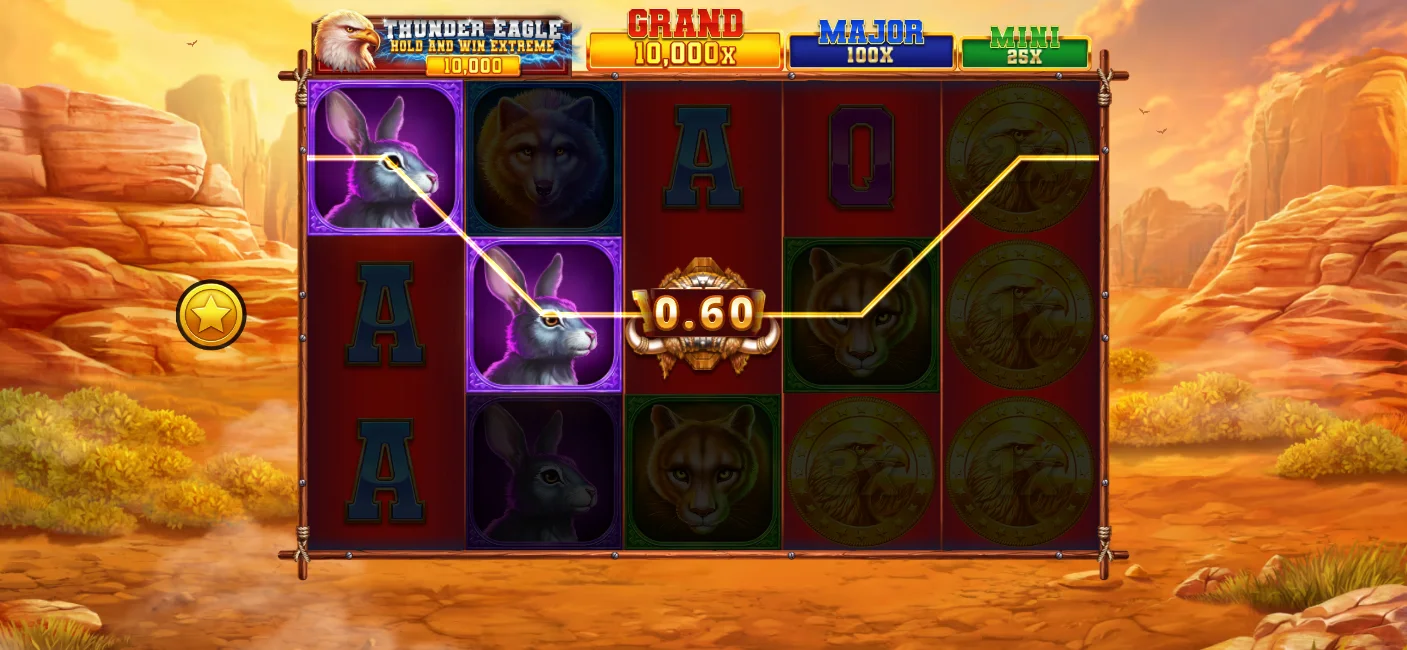
The Hyped Visual Styles in Casino Game Art in 2026
The style landscape of casino game art in 2026 is more genuinely diverse than at any previous point in the discipline's history. The single dominant visual register of the early online casino era has fragmented into a range of distinct aesthetic approaches, each with strong commercial performance in specific market segments.
Dark fantasy and cosmic horror aesthetics have become the highest-growth visual category in premium casino game art over the past eighteen months. This style combines mythological richness with atmosphere that is simultaneously beautiful and unsettling — deep space environments with impossible geometries, character designs that reference supernatural traditions with contemporary visual language, color palettes built around deep blues, violets, and poisonous greens that communicate the specific emotional register of the uncanny. The commercial appeal is the emotional intensity this visual register creates in a lobby context dominated by bright, friendly aesthetics. A dark fantasy casino game stands out with the same visual logic that a black dress stands out at a party in pastels.
Contemporary mythology with reimagined visual language is performing exceptionally well as the successor to the classical mythology theme that dominated iGaming art for the previous decade. The distinction is important: contemporary mythology does not look like archaeological illustration. It looks like a current artist interpreting mythological material through the visual conventions of contemporary illustration, graphic novel art, and concept art. The character design draws from present-day visual culture rather than historical referencing. The environment art uses contemporary lighting and composition conventions. The result is themes that carry the narrative richness and symbolic recognition of established casino traditions while looking genuinely current.
Solarpunk and optimistic futurism has emerged as the thematic counterpoint to dark fantasy, performing strongly in markets and demographics that respond to visual optimism. This style combines science fiction environmental design with organic, botanical, and artisanal material references — technology that feels alive, futures that seem achievable, spaces that feel designed for human flourishing rather than for dramatic effect. The environment art in solarpunk casino games is among the most visually complex and materially rich in current production, and the character design has the warmth and specificity of illustration traditions associated with positive contemporary cultural movements.
Maximalist folk art and decorative traditions represent a trend toward finding visual richness in cultural decorative traditions rather than in digital production techniques. This approach draws from the specific decorative vocabularies of different cultures — Eastern European folk art, Japanese pattern traditions, South Asian textile design, Mexican decorative arts — and uses them as the foundational visual language for casino game art systems. The commercial logic is cultural recognition for players from relevant backgrounds combined with the novelty of genuinely different visual approaches for players from other traditions.
Brutalist and post-industrial aesthetics have opened genuinely unexpected thematic territory for casino game art, drawing from the visual language of concrete architecture, industrial infrastructure, and utilitarian design. This style positions casino games as cultural objects rather than entertainment products, appealing to player demographics whose visual references are shaped by contemporary design culture rather than conventional casino aesthetics. The character design in this category is deliberately less fantastical than most casino game art, and the environment art celebrates the specific beauty of functional spaces rather than the spectacle of impossible ones.
The Types of Casino Game Art: What Each One Requires
Casino game art is not a single production category but a family of related disciplines that each have their own technical requirements, aesthetic conventions, and commercial priorities. Understanding the distinctions helps operators commission work accurately and evaluate studio capability with appropriate specificity.
Slot game art is the most complex and comprehensive category, encompassing the full production scope described in the definition above. The symbol set is the functional core of slot game art — the assets players see most frequently and evaluate most critically over the course of a session. Symbol design requires the simultaneous satisfaction of visual distinctiveness, thematic coherence, mechanical legibility at small display sizes, and the internal hierarchy that communicates pay table value intuitively. These requirements create a genuinely demanding design problem that requires specific expertise to solve well.
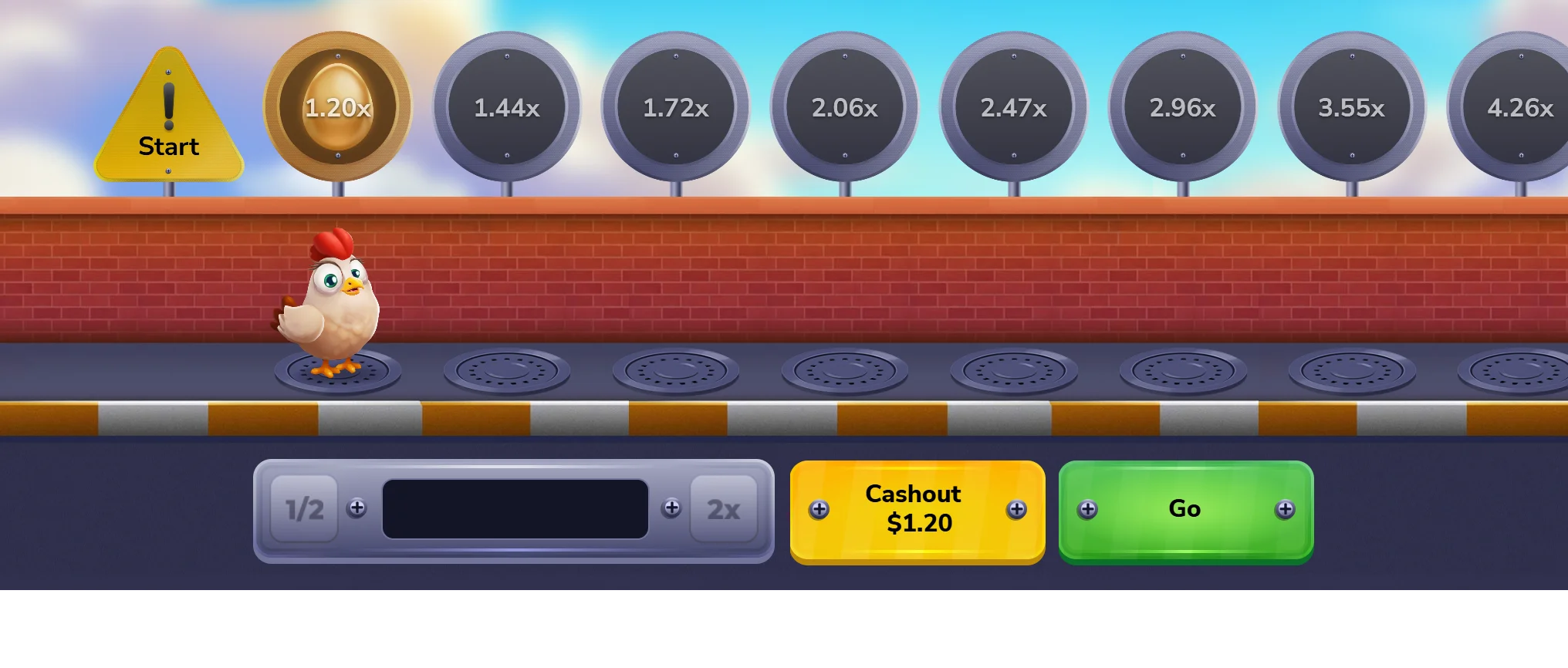
Crash game art has its own distinct visual requirements centered on the interface rather than on a symbol set. The multiplier curve is the visual center of the experience and requires a design approach that makes it simultaneously emotionally expressive and functionally legible. The cashout interface is the most usability-critical element in any casino game format. The live player feed requires the delicate balance of social presence without attentional competition. Character design in crash games functions primarily as brand identity rather than narrative presence, requiring strong silhouette recognition and a personality communicable across the small sizes and brief exposures of the interface context.
Table game art involves the visual design of card game, roulette, and other table format interfaces for digital delivery. The primary challenge is creating visual experiences that communicate the gravitas and elegance associated with physical table gaming while functioning effectively on digital devices at the sizes and interaction speeds that digital play requires. The UI design challenge in table game art is among the most demanding in the casino format spectrum — the information density is higher than in most slot formats, and the emotional register needs to communicate sophistication rather than excitement.
Live casino environment art is the discipline of designing the physical and virtual spaces in which live dealer games are filmed and broadcast. This category involves set design, lighting design, and the integration of digital overlay elements with physical environments in ways that create visually coherent experiences across the full range of device types on which they are received. The production requirements are more similar to broadcast design than to conventional game art, and the studios with genuine competence in this category are a distinct subset of the iGaming art market.
Promotional and marketing art is the category most frequently treated as secondary and most frequently underinvested relative to its commercial importance. A game's lobby tile, its app store screenshots, its promotional banner, and its social media assets are the primary interfaces through which potential players form their first impressions of the product. These assets have visual requirements that are distinct from in-game art — they need to communicate the essential identity of the game at sizes and in contexts that game art was not designed for — and they reward dedicated design investment rather than adaptation of game assets.
How to Evaluate Casino Game Art Quality Before Committing to a Partner
The evaluation of casino game art quality requires looking beyond the surface impression of individual portfolio pieces toward the structural characteristics that determine whether a studio can deliver consistently excellent work across a complex production.
Style coherence across a portfolio is the first quality indicator. Studios whose different projects share a consistent level of craft — where the quality floor is high regardless of the aesthetic style — are studios with production systems and art direction practices that maintain standards across projects. Studios whose portfolios show dramatic quality variation between their best and worst work are studios whose excellence is dependent on specific circumstances that may or may not apply to the project being evaluated.
Technical specification compliance in portfolio work is the second indicator. Casino game art needs to satisfy specific technical requirements — file size limits, animation frame rate constraints, color space specifications, display size legibility standards — that purely aesthetic evaluation does not reveal. Studios that can speak knowledgeably about the technical requirements of iGaming art production and show work that clearly satisfies them are demonstrating the domain expertise that separates iGaming specialists from general game art providers.
The creative direction contribution demonstrated in portfolio documentation is the third indicator, and the most revealing. Studios that show style guides, concept art development sequences, and creative direction rationale alongside finished assets are demonstrating that their creative process generates the thinking that produces distinctive work. Studios that show only finished assets are demonstrating execution capability without revealing whether the creative strategy behind the execution was theirs or the client's.
Sidenote The most reliable practical evaluation tool for casino game art studios is the paid test brief: a small but representative scope of work executed to a detailed creative brief and style guide. The quality of questions the studio asks during the brief, the alignment of their test output with the provided direction, and the quality of the documentation they deliver alongside the test assets together tell more about production capability than any portfolio review can. Studios that ask intelligent questions about the commercial objectives behind the brief are demonstrating the creative partnership orientation that the best production relationships require.
Art Is Where iGaming Products Win or Lose
The casino games that define the market in 2026 — the ones with the strongest player retention, the most distinctive visual identities, the longest commercial tails — are the ones where visual production was treated as the primary strategic investment rather than the finishing phase. Their operators understood that casino game art is not the layer applied after the real product is built. It is the product, from the player's perspective, from the first thumbnail impression through every second of every session.
The visual strategies that compound in value — genuine creative direction, distinctive character design, environment art that creates real place, motion design that creates real sensation — require investment and expertise that the market's most successful operators are now consistently making. The operators who have not made that reorientation are competing against products that have, and the gap is widening rather than narrowing as visual quality becomes more central to player acquisition and retention economics.
Contact AAA Slot Game Development to discuss what your casino game project requires — from creative direction and concept art through character design, symbol production, environment art, UI systems, animation, and promotional asset development. The studio's specialist experience across every category of casino game art, combined with the domain knowledge and production discipline that premium iGaming demands, is what separates visual work that fills a brief from visual work that builds a brand.
Contacts
Contact Information
Please use contact information below. If you want to send us a message, please use our contact form to the right and we will respond promptly.
Social links: