Slot Design Trends 2026 That Make or Break Your Game
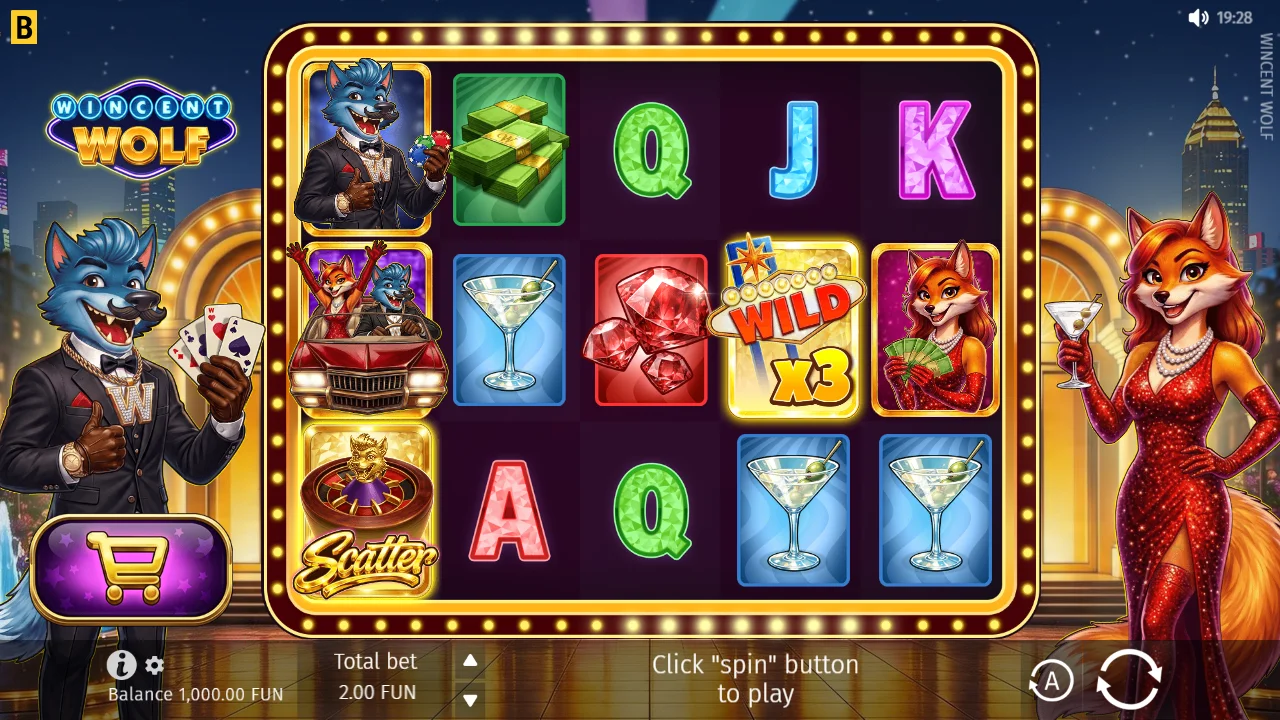
You can have the most sophisticated math model in the industry, the most generous RTP, and the smoothest game engine in the world, but if your slot design feels like it was assembled by a committee rather than crafted by artists, players will scroll right past it. The visual execution is the first thing a player sees, and it is often the only thing they need to decide whether to give your game a chance. In 2026, the focus has shifted dramatically from the underlying mathematical models towards the visual and aesthetic execution.
Players are more discerning than ever, with more choice in how, when, and where they allocate their entertainment spend, and they increasingly expect immersive, premium experiences comparable to console and mobile games. The visual language of a slot game is not just decoration; it is the primary driver of engagement and retention.
The term slot design covers every visual choice in a game, from the color of the background to the shape of the spin button. It is the visual language that communicates the theme, the mood, and the mechanics. A strong slot design makes the game feel intuitive and rewarding, while a weak design can make even the best math feel confusing and cheap.
This is why selecting the right visual direction is not just an artistic decision; it is a business decision. A game that looks polished, coherent, and on-trend has a significantly higher chance of breaking through the noise and becoming a hit. This is also why more and more studios are turning to professional slot machines design teams rather than relying on generalist artists who may not understand the specific demands of the iGaming market.
What Makes Slot Design Different in 2026?
The landscape of slot design has shifted fundamentally in the past few years. The trend is moving away from feature-stuffed, overly complex games toward cleaner, more intentional design. As one industry expert noted, innovation isn't about throwing in more features; it is about designing with intention, where every mechanic, symbol, and animation serves the overall experience. This means that designers are now thinking more carefully about what to include, rather than what they can add. The philosophy of "more is more" is officially dead, replaced by a focus on quality over quantity. A game with one well-executed bonus feature will often outperform a game with five mediocre ones.
This shift is driven by player fatigue. After years of games with endless bonus features, expanding reels, and cascading symbols, many players are actively seeking out simpler experiences. The revival of classic 3-reel slots is a clear example of this trend. Players are drawn to the decompression of a game that does not demand cognitive effort.
A 3-reel slot that fits inside a single screen, with symbols that land and paylines that are readable at a glance, offers a relief from the complexity of modern titles. This does not mean that complex games are dead; it means that complexity must be justified and executed with clarity. A game with complex features but a clean, readable interface will succeed where a game with complex features and a cluttered interface will fail.
Another defining factor in 2026 is the integration of AI and data-driven decision-making. Studios are now analyzing player behavior data to understand what themes, mechanics, and visual styles resonate. They are using data to fine-tune their designs, from the placement of buttons to the timing of animations. This data-driven approach informs everything from the choice of theme to the pacing of the game. A studio that ignores this data is flying blind. A professional slot design studio that leverages data to inform their creative decisions has a significant competitive advantage. They know what works because they have the numbers to prove it.
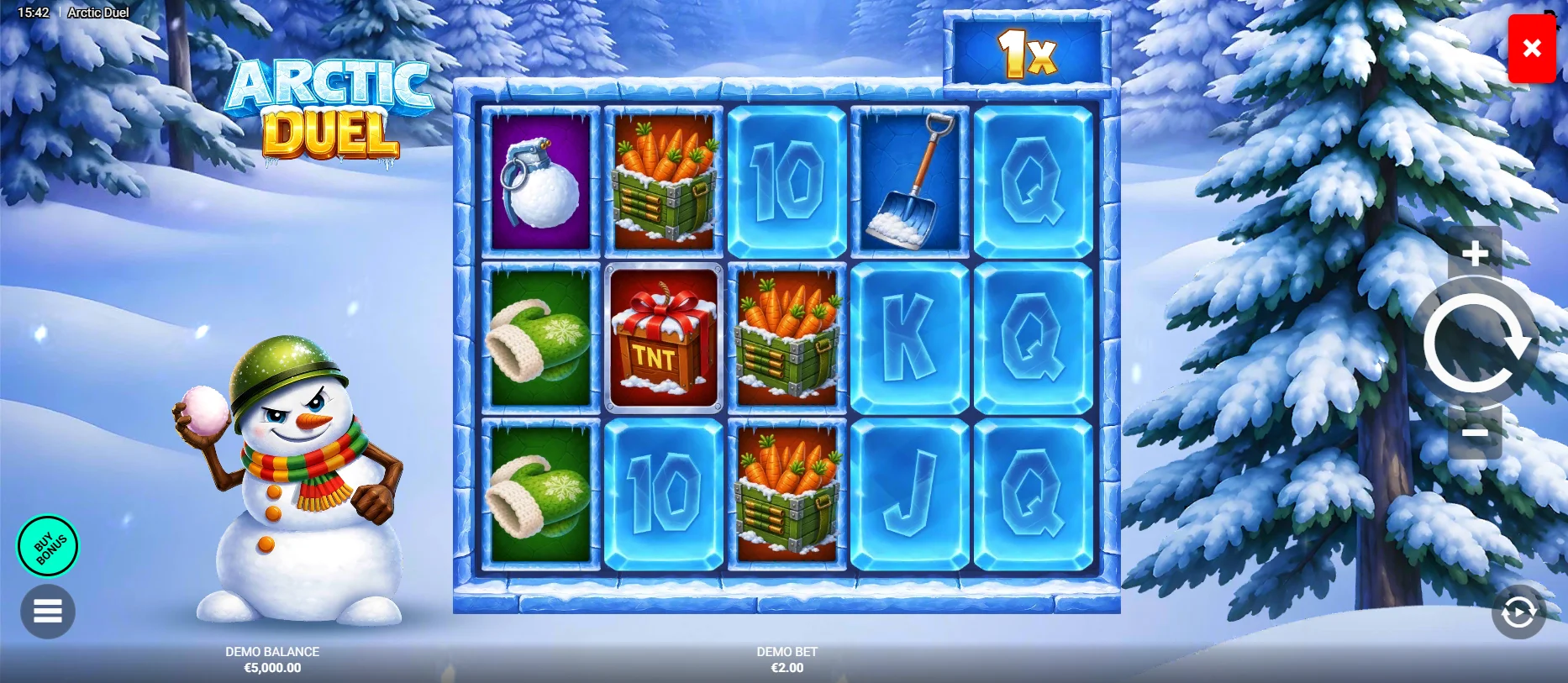
The focus on cross-platform compatibility is also a major factor in 2026. A game needs to look and play just as well on a mobile phone as it does on a desktop or a massive casino cabinet screen. This requires a design philosophy that prioritizes scalability. Symbols need to be readable at small sizes. UI elements need to be touch-friendly. Animations need to be performant on a range of devices. This is a significant technical challenge, and it is one that professional slot machines design studios are equipped to handle. They understand the constraints of each platform and design accordingly.
Interesting fact: Starburst became one of the most recognizable online slots thanks to its instantly recognizable gems, vibrant colors, and clean visual style. Its success helped demonstrate how strong, consistent artwork can become a defining part of a slot game's identity.
Does Theme Actually Matter?
The short answer is yes. In the current market, theme is one of the primary drivers of engagement. Players are drawn to games that evoke a feeling or tell a story. The days of generic games with no narrative or visual identity are numbered. Themes rooted in familiar stories or culturally resonant motifs generate higher engagement and revenue. This is why you see so many games based on Ancient Egypt, fantasy worlds, and pop culture references. Players recognize these themes instantly, which lowers the barrier to trying a new game. A familiar theme provides a sense of comfort and predictability that encourages players to take a chance on a new title.
However, not all themes are created equal. Some themes are consistently popular across demographics. Adventure themes frame every spin as part of a larger journey, creating a sense of progression that casual players love. Ancient civilization themes have incredible staying power due to their dramatic visual potential and built-in familiarity. Fantasy themes give designers total creative freedom and allow for some of the most visually ambitious games on the market. Animal and nature themes offer a sense of calm and approachability that appeals to players who play to relax rather than chase adrenaline. Even retro and classic themes continue to evolve, with modern "retro" slots borrowing the old aesthetic while adding polished animations and fresh features.
The key is to pick a theme that aligns with your target audience and to execute it with consistency across all elements. A lazy theme is worse than no theme at all. A game that promises adventure but delivers generic symbols and a flat background will be quickly abandoned. A game that commits to its theme with detailed artwork, character designs, and sound design will stand out. This is where professional slot design studios excel. They know how to commit to a theme and carry it through every element of the game, from the background to the UI to the animations. The theme is not just a wrapper; it is the foundation of the entire experience.
Another important consideration is the trend lifecycle. Some themes are timeless, while others are driven by pop culture moments. A developer who can anticipate a trend and release a game at the right time can capitalize on a wave of interest. However, jumping on a trend too late can be a disaster. A game based on a cultural moment that has already passed will feel dated. Professional studios monitor cultural trends closely and have the agility to pivot quickly when an opportunity arises. This is a skill that comes with experience and a deep understanding of the market.
How to Predict If Your Design Will Trend
Predicting whether a design will trend is part art, part science. The data side is increasingly important. Studios are now tracking how players interact with specific elements across markets and devices, using this to fine-tune design choices, pacing, and theming. This allows them to identify which features resonate and which ones fall flat. A design that is informed by data has a much higher chance of success than one that is based on intuition alone. The data does not lie; it shows you what players actually do, not what they say they want.
But data cannot replace the human element. A design that trends usually has a strong visual hook. This is something that makes the game instantly recognizable. It could be a unique character, a distinctive color palette, or an innovative mechanic that is visually communicated. Think of the tribal masks in NetEnt's Gonzo's Quest or the faceted gems in Starburst. These are not just pretty symbols; they are iconic visual elements that define the game. A strong hook gives the game an identity that players remember. It is the visual shorthand that allows the game to stand out in a crowded lobby.
The theme also plays a huge role in predicting success. Themes that tap into existing cultural trends or nostalgia often perform well. The western genre is making a comeback, driven by games like the Red Dead Redemption duology. Games like Dead or Alive 2 from NetEnt are a masterclass in gritty western slot design, with symbols that carry texture and weight while still reading at a glance. Similarly, fantasy slots draw obvious inspiration from mainstream successes like Game of Thrones and Elden Ring. If you can tie your design to a cultural moment or a beloved genre, you increase your chances of being discovered. Timing is everything in this market.
Another indicator is the clarity of the design. A game that is easy to read and understand is more likely to retain players. Modern players are often playing in the margins of a busy day—while waiting for food to cook or during a commute—and they do not have the time or patience to decode a complex UI. A slot machine design that is clean and intuitive will always outperform one that is cluttered and confusing. This is a hard truth for designers who love complexity. The player is not a captive audience; they will leave at the first sign of friction. A clean design minimizes friction and maximizes playtime.
The sound design is also a factor that is often overlooked but increasingly important. A game with a rich, immersive soundscape will perform better than a game with generic sound effects. The sound of the reels, the music, and the win sounds all contribute to the overall experience. Professional slot design studios work with sound designers to create a cohesive audio-visual experience. They understand that the sound is not an afterthought; it is an integral part of the game.
Concept Ideas Across Different Categories
To illustrate how theme and design choices vary across categories, let us look at a few different concepts. These are the kinds of projects that a professional slot design studio would be tasked with bringing to life.
Ancient History
This category has been a staple of the industry for a reason. The visual language of Ancient Egypt, Rome, and Greece is instantly recognizable and rich with dramatic potential. A game like "Secret Purramid" uses a cartoon Egyptian style built around a playful idea: a clan of cats guarding an ancient tomb. The symbol set runs from gilded scarabs and ankhs up to a gold cat wild and a Bastet scatter, all with a clean silhouette and a warm gold palette.
The characters are rigged and animated in Spine, allowing for fluid motion that brings the theme to life. The humor and clarity of the design ensure that the game reads fast even at symbol size. This is an example of how a well-worn theme can be refreshed with a unique visual angle. The key is to find a fresh perspective on a familiar subject.
Western
The western genre has a built-in audience, and games like "Wild Slinger" show how it can be executed with grit and realism. The symbol set is one rugged family: a cowboy skull, crossed revolvers, a sheriff badge, a horned hat, and a bull skull, all built in dust, iron, and gold. The outlaw cast carries the drama, and the reels shift from a sunset town to a smoky saloon during the bonus round.
The design is realistic but still game-ready, with every symbol remaining sharp and readable on mobile devices. This kind of detailed, cinematic execution is what separates a hit from a miss. The western theme offers a rich palette of visual elements that can be leveraged to create a compelling experience.
Luxury and High Fashion
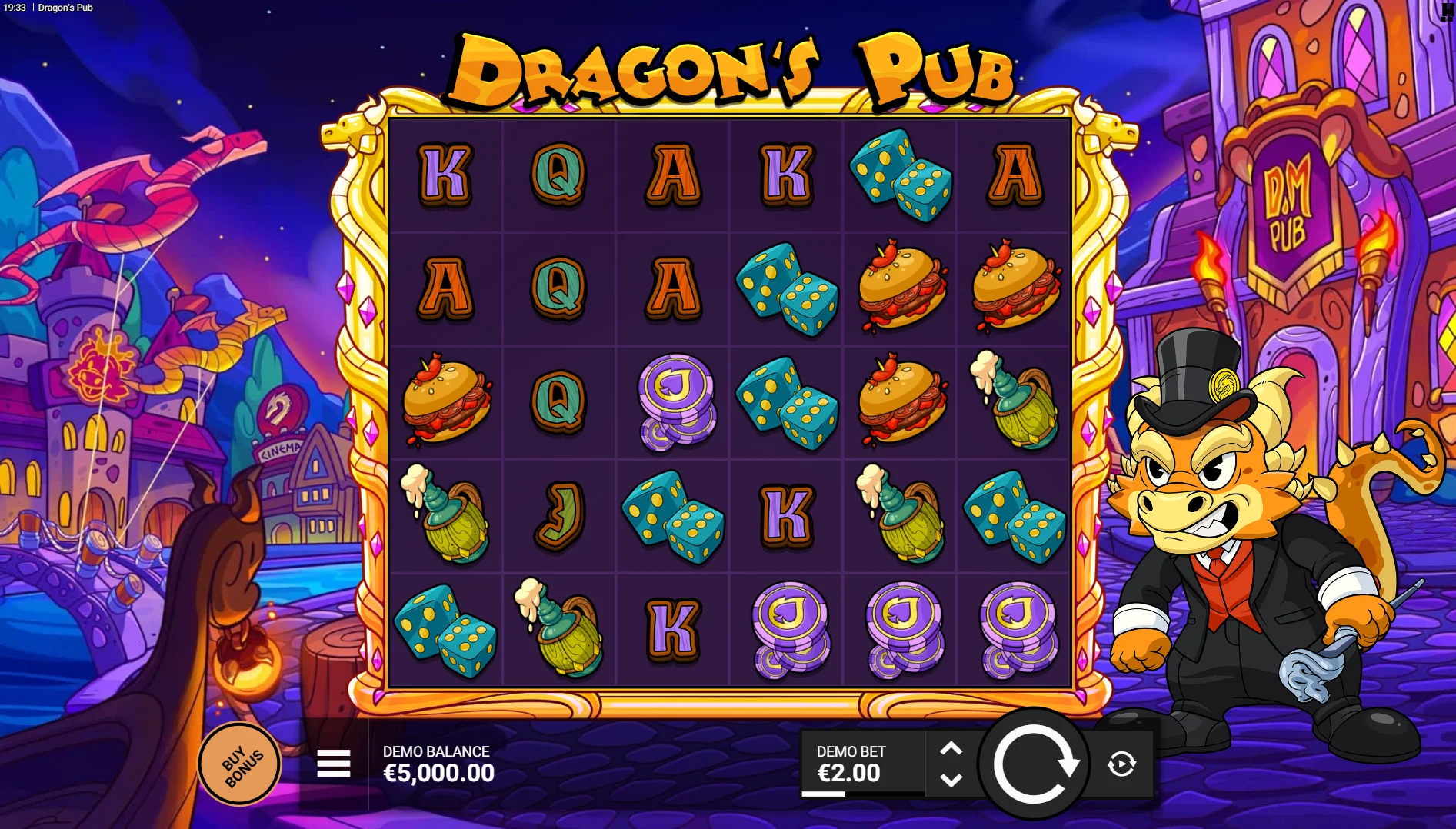
This is an emerging category that is quietly infiltrating the world of slot machines design. Luxury slot aesthetics are borrowing from fashion editorial to create a premium feel. Rich jewel tones, architectural typography, and character designs based on runway imagery are replacing saturated primary colors and cartoon aesthetics.
Games like Real Time Gaming's "High Fashion Slots" feature male and female model symbols as the highest value icons, a scatter symbol called "Runway," and animations that replicate camera flash and catwalk movement. This is a demonstration of how slot developers are now looking at the same visual culture that fashion designers are looking at, and the games are starting to show it. This category appeals to players who are looking for a more sophisticated, adult experience.
Anime and Stylized Fantasy
This category allows for bold, dramatic visuals that appeal to a younger demographic. "Onna Musha's Revenge" is built around one woman's vow of revenge under a blood-red moon. The symbol set leads with a red-gold kabuto, crossed katanas, and a fox mask, painted with a bold, stylized edge.
The character design carries the soul here: a heroine, a geisha, and an old sage, each rigged and animated in Spine. The palette is tuned so the high-pays glow and the low-paying royals stay quiet, ensuring clarity and visual impact. This is a case of slot design that treats the characters as the stars of the show. The anime style is highly expressive and allows for a wide range of emotional storytelling.
The Elements of a Successful Slot Design
What exactly does a successful slot design need to include? First and foremost, it needs clarity. The symbols need to be instantly recognizable and distinct from one another. If a player cannot tell the difference between a wild and a scatter at a glance, the game will frustrate them. Professional studios understand that readability beats decoration. This is why the symbols in Starburst are so simple but so effective. The lack of detail is a feature, not a bug. The player knows exactly what they are looking at, and that confidence translates into a better experience.
Second, a successful design needs a strong visual hierarchy. The most important symbols, like the wild and the scatter, should stand out. This is usually achieved through color, size, or animation. The high-paying symbols should feel more detailed and valuable than the low-paying symbols. This hierarchy guides the player's eye and makes the game easy to understand. A player should be able to assess their result in a split second. If they have to squint or study the screen, the design has failed. The visual hierarchy is the silent language of the game.
Third, the design needs to be consistent. The theme should carry through every element, from the background to the UI to the animations. A game with a medieval fantasy theme should not have a futuristic-looking UI. A professional slot design studio will create a style guide to ensure this consistency. They will define the color palette, the font choices, and the visual language of the UI elements. This consistency creates a cohesive experience that feels polished and professional. Inconsistency is jarring and breaks the immersion. A player who is pulled out of the experience is a player who is likely to leave.
Fourth, the design needs to be optimized for the platform. A game that looks great on a desktop but is unplayable on mobile is a game that will fail in the modern market. This requires a mobile-first design philosophy. The fonts need to be large enough to read on a small screen. The buttons need to be big enough to tap with a finger. The animations need to be performant on lower-end devices. Professional studios test their designs on a range of devices to ensure compatibility. They understand that the player's experience is the priority, regardless of the platform they are using.
The Role of Character Design
Character design is becoming increasingly important in the industry. A great slot character or mascot does the heavy lifting. Before a player reads a single payline, the art has already sold the theme. A strong silhouette, a clear pay hierarchy, and a cast worth remembering are what separate a flat reel from a hit. Characters give the game a face and make it memorable. They are often the reason players return to a game. A character that resonates with players can become a franchise asset, spawning sequels and spin-offs.
The process of creating a slot character is detailed. Professional artists track the evolution of a character from the first sketch to the final high-end render. They consider the character's silhouette, color palette, and animation potential. The character needs to be recognizable even at symbol size. This is why many studios use Spine to rig their characters, allowing for fluid, bone-based animation that brings them to life without the need for frame-by-frame redrawing. This approach is efficient and allows for a high level of polish. A well-rigged character can express a wide range of emotions and movements, adding depth to the game.
The character design is also essential for storytelling. A character with a strong visual identity can convey a narrative instantly. The grizzled detective in a cyberpunk game, the heroic knight in a fantasy game, or the glamorous model in a fashion-themed game all communicate the theme and the mood of the game. In a market where players are choosing games based on mood, this visual storytelling is critical. A professional slot design studio will invest heavily in character development. They understand that the characters are the ambassadors of the game, and they design them accordingly.
Technical Considerations in Slot Design
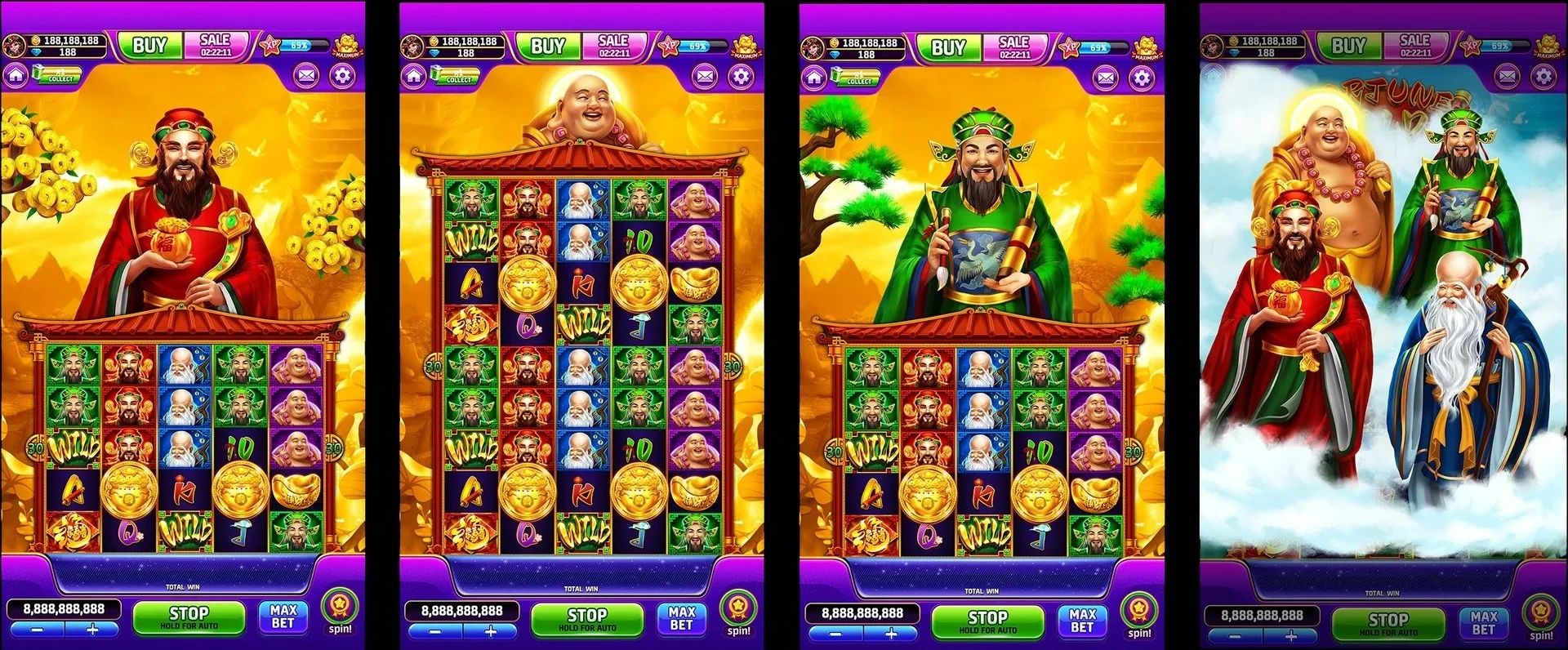
The technical side of slot machines design is often overlooked by those outside the industry, but it is just as important as the creative side. The assets need to be created in a way that is compatible with different game engines. The animations need to be optimized for performance. The UI needs to be scalable for different screen sizes. Professional studios have developed sophisticated workflows to handle these challenges. They use modular design principles to create assets that can be reused across different games. This saves time and ensures consistency. They also use version control to manage changes and collaborate efficiently.
One of the most significant technical challenges is asset optimization. High-resolution assets look great on a desktop, but they can cause performance issues on mobile devices. The files need to be compressed without sacrificing quality. The animations need to be smooth even on older devices. Professional studios use a range of tools to optimize their assets. They test their games on a variety of devices to ensure compatibility. They also work closely with the development team to ensure that the assets are properly integrated into the game engine. This technical expertise is one of the main reasons why developers choose to outsource their slot design to a professional studio.
Another technical challenge is localization. A game that is successful in one region will often need to be adapted for other regions. This includes not just translating the text but also adapting the visuals. A professional studio handles this by creating a flexible asset library. They create assets that can be easily modified for different languages and cultural contexts. They also have a deep understanding of the technical requirements for different platforms and regions. This ensures that the game is ready for a global launch. The technical side of slot design is a complex undertaking, but it is essential for creating a successful game.
The era of generic, feature-stuffed slot games is over. Players in 2026 are discerning, visually aware, and short on time. They are looking for games that provide a clear, engaging, and immersive experience. The theme is the hook, the characters are the soul, and the visual clarity is the foundation. A game that understands these principles is a game that will trend. A game that ignores them will fade into obscurity. The market is more competitive than ever, but the opportunity for a hit game is still there for those who are willing to invest in quality design.
Choosing the right slot design is a strategic decision. It requires an understanding of the market, the psychology of players, and the technical execution. It is not enough to just draw pretty pictures. The design needs to be intentional, consistent, and clear. This is why many developers are turning to professional studios that specialize in slot game art. They have the experience, the tools, and the talent to deliver a product that stands out. The investment in professional design is an investment in the success of the game.
Your players are waiting for something new and exciting. The market is competitive, but the opportunity for a hit game is always there. Let us help you create it. AAA Slot Game Development — contact us today to discuss your project and see how we can help you create a game that trends. Whether you are launching a game for a land-based casino, the online market, or both, we have the expertise to make it a success. Let's talk and create something unforgettable together.
Contacts
Contact Information
Please use contact information below. If you want to send us a message, please use our contact form to the right and we will respond promptly.
Social links: